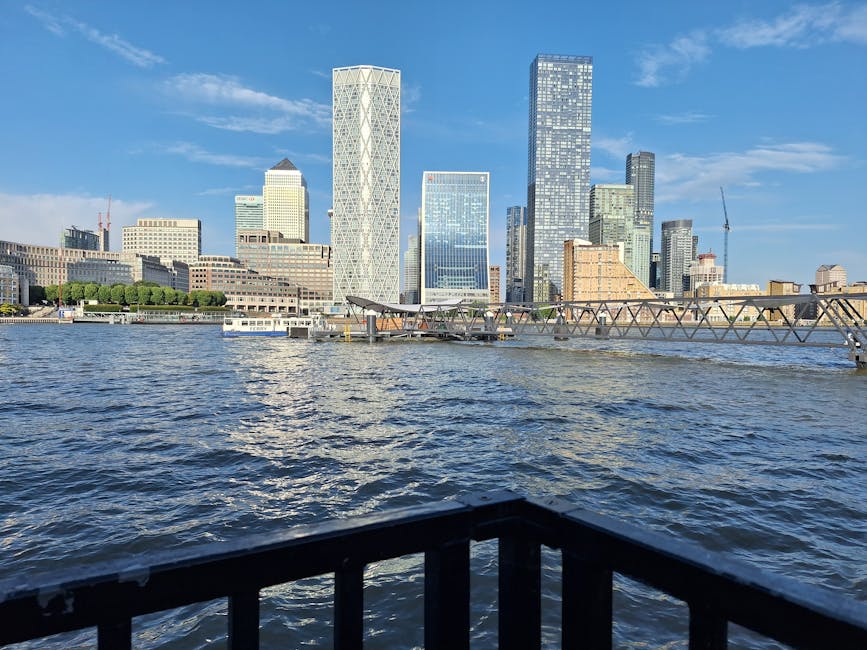
E14 gardeners for Canary Wharf facing balconies: a practical guide to making compact outdoor space feel calm, green, and usable
If you live in a Canary Wharf facing balcony home in E14, you already know the space can be both a gift and a headache. The view is excellent, the light can be strong, and the exposure can be brutal. One gust and your herbs are flattened. One wet week and your containers are soggy. That is exactly why E14 gardeners for Canary Wharf facing balconies need a different approach from a standard back garden plan.
This guide is written for people who want a balcony that actually works in real life: somewhere to sit with a coffee, grow a few plants, soften the hard lines of glass and metal, and maybe gain a bit of privacy without making the place feel boxed in. We will cover what matters, how the process works, what to plant, what to avoid, and how to keep things looking good without turning your weekends into a chore. Truth be told, balcony gardening can be wonderfully simple once the basics are right.
Table of Contents
- Why E14 gardeners for Canary Wharf facing balconies Matters
- How E14 gardeners for Canary Wharf facing balconies Works
- Key Benefits and Practical Advantages
- Who This Is For and When It Makes Sense
- Step-by-Step Guidance
- Expert Tips for Better Results
- Common Mistakes to Avoid
- Tools, Resources and Recommendations
- Law, Compliance, Standards, or Best Practice
- Options, Methods, or Comparison Table
- Case Study or Real-World Example
- Practical Checklist
- Conclusion
- Frequently Asked Questions
Why E14 gardeners for Canary Wharf facing balconies Matters
Canary Wharf facing balconies sit in a very specific urban environment. You are usually dealing with height, reflected light, wind tunnel effects, and limited floor area. In some flats, the balcony gets blasted by weather from several angles. In others, you get a mix of shade from adjacent towers and sudden bright sun across the day. That combination is not easy for plants, and it is not especially forgiving for furniture either.
This matters because a balcony is more than a decorative ledge. For many people in E14, it is the closest thing to an outdoor room. If it is planted badly, it becomes cluttered, sticky, and stressful. If it is planned well, it can feel like a tiny retreat after a noisy day near the station or the riverside. A few well-chosen evergreens, a sensible container layout, and the right irrigation habits can transform the whole mood of the space.
There is also a practical side. Balcony planting needs to respect weight, drainage, access, and safe movement. A big ceramic pot looks lovely until you have to shift it in winter. A dense screen can be brilliant for privacy, but it must not create unnecessary wind drag or maintenance trouble. Good balcony gardeners think in layers: structure first, plants second, styling third. That order saves money and a fair bit of swearing, too.
If your balcony feels too exposed, too overlooked, or just a bit soulless, you are not alone. Many residents want a greener, calmer setup but do not want the hassle of a traditional garden. In that sense, this topic sits right between design, plant care, and day-to-day practicality.
How E14 gardeners for Canary Wharf facing balconies Works
The process usually starts with assessment rather than shopping. A good balcony plan begins with observing the space for a few days: where the sun lands, which way the wind pushes, how much privacy is actually missing, and how much floor area must stay clear for walking, doors, and cleaning.
From there, the gardener or designer chooses a combination of containers, lightweight growing media, plant types, and fixings suited to the balcony structure. On facing balconies, that often means choosing plants that can cope with exposure and selecting items that are stable enough to resist tipping. You do not want a pot skidding across paving when a gust hits. It is such a small detail, but it changes everything.
Balcony gardening is usually built around four functional layers:
- Structure: planters, screens, trellises, and storage that define the space.
- Planting: a mix of evergreen, seasonal, and useful plants that suit the light and wind.
- Protection: wind-resistant positioning, drip control, and weather-aware materials.
- Maintenance: watering, feeding, pruning, and seasonal resets.
In practice, this might mean tall troughs along the railing for screening, a couple of medium pots for structure, and smaller containers for herbs or flowers nearer the seating area. If the balcony is narrow, vertical growing becomes more useful than broad plant spreads. If it is exposed, low, tough planting usually beats fragile showpieces.
Professional support is also about restraint. A balcony does not need every available surface filled. In fact, too much crammed in can make a small outside space feel smaller. A cleaner layout tends to look more elegant, and it is easier to keep tidy on a wet Tuesday evening when you just want to shut the door and be done with it.
Key Benefits and Practical Advantages
When a balcony is planned properly, the benefits are not just visual. You notice them in daily routines, in comfort, and even in how much you use the space. Here are the main advantages people usually care about.
- Better privacy: planting and screens can soften sightlines from nearby buildings without making the balcony feel closed in.
- More usable outdoor time: a calmer, greener balcony gives you a place to sit, read, or have breakfast outside.
- Improved mood: even a few healthy plants can take the edge off a hard, urban view.
- Lower maintenance than you might think: once the right containers and plants are chosen, upkeep becomes manageable.
- Seasonal interest: evergreen climbers, herbs, or textured foliage keep the space alive all year.
- Flexible styling: you can change colour schemes and accessories without rebuilding the whole thing.
There is also a strong practical advantage for renters and busy homeowners: a balcony garden can be built in stages. You do not need to do everything at once. Start with one privacy screen, one or two resilient plants, and a seat you actually like. Then build from there. That slower approach is often the smart one.
For people who want inspiration around compact layouts, the ideas in innovative vertical gardening ideas and container gardening are especially useful. They suit balcony spaces because they make good use of height, not just floor area.
Who This Is For and When It Makes Sense
This kind of gardening support makes sense for a few different people. If any of these sound familiar, you are probably in the right place.
- Flat owners with exposed balconies: especially those dealing with wind, glare, or overlooked views.
- Busy professionals: people who want greenery without a large maintenance burden.
- Renters: those who need removable, non-permanent solutions that still look polished.
- Households wanting privacy: when adjacent windows or neighbouring balconies make the space feel public.
- Plant lovers with limited room: anyone who wants a real garden feeling on a modest footprint.
It also makes sense when your balcony keeps failing for the same reasons. Maybe plants keep drying out. Maybe the wind keeps wrecking displays. Maybe you keep buying beautiful things that never last more than two weeks. To be fair, that is a frustrating loop, and it usually means the system is wrong, not the gardener.
A balcony project is especially worthwhile if you want to combine beauty with function. That can mean a little privacy, a little colour, a bit of herb-growing, and a seating spot that feels like yours. Not flashy. Just right.
Step-by-Step Guidance
Here is a simple, realistic way to approach a Canary Wharf facing balcony garden without overcomplicating it.
- Measure the balcony and note restrictions. Keep track of width, depth, railing height, door swing, and any weight or fixing limits set by the building.
- Watch the light for a couple of days. Morning shade, late afternoon glare, and reflected sunlight can all matter more than you expect.
- Map the wind path. Stand out there on a breezy day and notice where the gusts actually hit. The sheltered corner is usually not where you first imagine it.
- Choose your main goal. Privacy, seating, herbs, colour, screening, or all of the above. Pick the priority before buying anything.
- Build the base layer. Use stable planters, quality compost, and a layout that leaves a clear route to the door.
- Add the structure. This could be a slim trellis, a compact screen, or a vertical planting system.
- Select plants that can take the conditions. Exposure and container life both reduce the room for error.
- Water and feed with a routine. Containers dry out faster than garden beds, especially in wind.
- Review after the first month. Move the weak performers, keep the winners, and adjust the balance.
That last step is underrated. Balcony gardening is not one big launch; it is a sequence of small corrections. The good news? Every correction makes the next month easier.
Planting approach for facing balconies
For this kind of space, balance is everything. Use evergreen structure where you need year-round screening, then layer in lighter seasonal planting for colour and texture. You might use upright grasses, climbers, compact shrubs, herbs, or trailing plants depending on the light. If the balcony is very windy, avoid choosing delicate specimens that look impressive in a shop but sulk outdoors the minute they meet weather.
In some homes, the most effective solution is a mix of evergreen climbers and containers. The article on evergreen climbers for shade shows how climbers can soften hard surfaces and keep a space feeling alive all year.
Expert Tips for Better Results
After plenty of balcony work, a few patterns keep showing up. The same small choices make the difference between a balcony that looks good for a week and one that still looks good in six months.
- Use weight wisely. Heavy pots are stable, but too many heavy pots can be awkward and may not suit upper-floor settings. Mix sizes instead of going all-in on one material.
- Choose the right pot shape. Tall, narrow planters can offer privacy without eating the entire floor area.
- Prioritise drainage. If water has nowhere to go, roots suffer. Always make sure containers are set up correctly.
- Think in layers of height. Low plants near seating, mid-height plants in troughs, and taller elements at the edge of the balcony create a more finished feel.
- Keep one corner simpler than the rest. A clean corner gives the eye somewhere to rest. It also makes cleaning easier, which matters more than people admit.
- Use scent sparingly. A little fragrance is lovely. Too much near a small seating area can feel overwhelming on a warm evening.
If privacy is your biggest concern, the advice in privacy-boosting hedges can help you think in terms of living screens, even if you adapt the ideas for containers and balcony-safe forms rather than ground planting.
Another useful habit: photograph the balcony at different times of day. Morning, midday, and dusk tell different stories. What looks full at noon can feel bare at 7 p.m. The camera catches things your memory misses, oddly enough.
Common Mistakes to Avoid
Most balcony problems come from doing too much, too soon, or choosing plants for looks alone. Here are the common ones.
- Overcrowding the space: too many pots make cleaning hard and reduce the sense of calm.
- Ignoring wind exposure: fragile foliage and lightweight containers can fail fast on exposed balconies.
- Using thirsty plants without a watering plan: containers dry out quickly, especially in summer or wind.
- Forgetting drainage and runoff: water stains, damp patches, and messy overflows become a nuisance.
- Choosing materials that age badly outside: some finishes look fantastic indoors and tired within a season outdoors.
- Blocking access: if you cannot easily open a door, sweep the floor, or move furniture, the design is not working.
One of the most overlooked mistakes is trying to copy a ground-level garden on to a balcony. It rarely fits. The space needs a lighter, more vertical, more edited approach. That is not a compromise. It is the whole point.
For seasonal survival, especially in colder months, see keeping garden plants safe in winter. Balcony plants need the same kind of thinking, only more carefully applied.
Tools, Resources and Recommendations
You do not need a van full of kit to maintain a balcony garden. In fact, the best setups often rely on a small, sensible toolkit.
- Lightweight watering can or hose attachment: easy to manage in tight spaces.
- Good-quality gloves and secateurs: enough for pruning, deadheading, and general care.
- Moisture-retentive growing mix: helpful for containers that dry out quickly.
- Saucers or trays where appropriate: useful for keeping runoff controlled, though not for every plant.
- Plant ties and soft clips: essential for climbers or upright stems in windy spots.
- Compact storage: somewhere neat for feed, spare ties, and tools.
If you are starting from zero, it can help to read beginner gardening tips. The advice is not balcony-specific, but the mindset is useful: start simple, learn the space, and avoid buying everything in one go.
For people who want the balcony to serve a few functions, herbs can be a smart addition. You get fragrance, something to snip for cooking, and a neat sense of usefulness. The guide to herb gardening at home is a good companion read if you want practical planting choices.
Law, Compliance, Standards, or Best Practice
Balcony gardening in a tower or apartment setting needs careful, sensible practice. The exact rules can vary by building, lease, and managing agent, so it is wise not to assume that anything goes. If you rent, your tenancy terms may restrict drilling, fixing, or altering the exterior. If you own, the building's regulations may still limit what can be attached to railings or walls.
Good practice usually means checking:
- whether planters can be fixed to railings or must remain freestanding,
- what the building allows in relation to screens, trellises, or privacy features,
- whether any weight limits apply to the balcony structure,
- how water runoff should be managed to avoid nuisance to neighbours below,
- what access must remain clear for safety and maintenance.
Health and safety also matters. On higher balconies, stability is key. Heavy items should be placed with care, and anything that could topple in wind should be secured properly. If a professional gardener is involved, it is reasonable to ask about insurance, risk management, and safe working practices. That is not being awkward. It is being sensible.
You can also look at a provider's approach to safety and standards through pages like insurance and safety and the health and safety policy. For service terms, the terms and conditions page is worth a look. These are boring pages, yes, but the boring pages are often the ones that tell you whether a service is run properly.
Options, Methods, or Comparison Table
Different balcony goals call for different methods. A facing balcony in E14 is rarely solved by one single plant choice. Here is a simple comparison to help you decide what suits your space.
| Method | Best for | Strengths | Watch-outs |
|---|---|---|---|
| Container planting | Flexible colour, herbs, seasonal displays | Easy to rearrange; good for renters; scalable | Needs regular watering and feeding |
| Vertical gardening | Narrow balconies and privacy needs | Saves floor space; adds height; looks layered | Can become visually busy if overdone |
| Evergreen screening | Year-round privacy and structure | Consistent look; good in all seasons | May need careful pruning and stable support |
| Mixed planting | Most balcony setups | Balances structure, colour, and function | Requires more thought at the start |
In many real-world balconies, mixed planting wins. It gives you enough structure for privacy, enough softness for comfort, and enough flexibility to adjust through the year. A purely decorative scheme often looks lovely on day one and awkward by October. Mixed planting ages better.
Case Study or Real-World Example
Picture a typical Canary Wharf facing balcony: narrow, fifth floor, a bit windy, and overlooked by neighbouring blocks. The owner wants somewhere to sit after work, plus some privacy from nearby windows. They do not want a heavy build, and they are not available for constant upkeep.
So the plan starts with a slim seating chair and one foldable table near the sheltered side. Along the exposed edge, two tall troughs are placed with tough, upright planting to create a soft visual barrier. A compact trellis is added for structure, with climbers chosen for resilience rather than delicate blooms. Herbs go into smaller containers closer to the door, where watering is easier and the scents are pleasant on the way in and out.
At first, the balcony looks a little sparse. That is normal. After a few weeks, the plants settle in, the layout makes sense, and the space starts to feel deliberate rather than temporary. The owner can sit out there with a mug of tea, hear the city hum below, and feel like the balcony is part of the flat rather than an awkward afterthought. Small win, big difference.
If the project needs a broader refresh, service options such as garden maintenance and gardening services can help support the ongoing work, while pricing and quotes gives a sense of the process before anything is booked.
Practical Checklist
Use this before you start buying pots or planting anything. Honestly, it saves a lot of fuss.
- Measure the balcony and note any fixed restrictions.
- Check light exposure at different times of day.
- Identify the windiest corner and the most sheltered corner.
- Decide the main purpose: privacy, seating, planting, or all three.
- Choose stable, balcony-appropriate containers.
- Plan drainage so water does not become a nuisance.
- Select plants for the actual conditions, not just the label photo.
- Keep access clear for doors, cleaning, and safety.
- Leave room for seasonal adjustments.
- Review the setup after the first month and tweak it.
Expert summary: the best E14 balcony gardens are usually not the fullest ones. They are the ones with the right structure, the right scale, and just enough plant life to make the space feel calm instead of crowded.
Conclusion
E14 gardeners for Canary Wharf facing balconies are solving a very specific problem: how to make a small, exposed, high-rise outdoor space feel private, attractive, and manageable. The answer is not more stuff. It is better planning. Use structure before decoration. Choose plants for wind, light, and container life. Keep the layout open enough to live with. That simple shift changes the whole experience.
Done well, a balcony can become one of the nicest parts of the home. Not because it looks like a magazine spread, but because it works on a rainy weekday and on a bright Saturday morning too. That is the real test.
If you are ready to improve your balcony properly, start with a clear plan, a few practical choices, and the kind of support that suits your space rather than fighting it.
Get a free quote today and see how much you can save.
And if all you do this week is choose one sturdy planter and one plant that genuinely likes the conditions, that is still progress. Sometimes that is how good spaces begin.
Frequently Asked Questions
What makes a Canary Wharf facing balcony different from a regular balcony?
These balconies are often more exposed to wind, reflection, and overlooking from nearby buildings. That means plant choice, container stability, and privacy planning matter more than they would in a sheltered ground-level space.
Which plants usually work best on exposed E14 balconies?
Tough evergreens, compact shrubs, resilient herbs, upright grasses, and some climbers usually perform better than delicate bedding plants. The best choice depends on sun, shade, and how hard the wind hits the space.
Can I grow privacy screens in containers on a balcony?
Yes, provided the containers are stable and the plants suit the conditions. Tall troughs, evergreen screens, and vertical systems can all help, but they need sensible spacing and regular care.
How do I stop balcony pots from blowing over?
Use heavier or wider bases, avoid overly top-heavy arrangements, and place the most exposed containers where they are least likely to catch the wind. Grouping pots can also help, because isolated items tend to move more.
Is balcony gardening high maintenance?
It can be if you choose thirsty plants or overfill the space. A well-planned balcony garden is often fairly manageable, especially if you favour hardy species and keep the layout simple.
What is the biggest mistake people make with balcony planting?
They often buy plants based on appearance rather than balcony conditions. Pretty plants are great, of course, but if they cannot handle wind, light, or container life, they will struggle very quickly.
Do I need permission to add planters or screens?
Sometimes, yes. Lease terms, building rules, or managing-agent guidance may affect what you can attach or install. It is always better to check before drilling, fixing, or adding anything structural.
How often should balcony plants be watered?
There is no fixed answer because it depends on exposure, container size, plant type, and weather. In warm or windy conditions, containers may need water much more often than a garden bed would.
What is the best way to create a balcony that still feels open?
Use a lighter layout, keep some floor visible, and add height through vertical planting rather than filling every available surface. A small amount of breathing room makes the whole space feel better.
Can I make a balcony garden low maintenance?
Absolutely. Choose hardy plants, use quality containers, keep the palette simple, and avoid creating too many small jobs. A low-maintenance balcony is usually the result of good editing, not neglect.
Are herbs a good idea for a facing balcony?
Yes, if the light suits them and the containers are easy to reach. Herbs are especially useful because they give you scent, texture, and a practical harvest without needing a large footprint.
How do I know when to call in professional help?
If the balcony keeps failing, the layout feels awkward, or you want privacy and structure without trial-and-error, professional support is worth considering. A good gardener can save time, reduce mistakes, and build a plan that lasts.
Where should I start if the balcony feels completely empty?
Start with a single goal: privacy, seating, or planting. Then add one structural element and one reliable plant type. Once those are working, the rest becomes much easier.