Recycling and Sustainability for Gardeners Limehouse
 Gardeners Limehouse is built around a practical approach to greener working, with recycling and sustainability considered in every stage of garden maintenance, clearance, and waste handling. As a local team working across Limehouse and nearby East London neighbourhoods, the focus is not only on keeping outdoor spaces tidy, but also on reducing the amount of material that ends up in landfill. That means sorting waste carefully, using efficient transport, and making sure reusable green waste is treated as a resource rather than a burden.
One of the main goals for Gardeners Limehouse is to maintain a strong recycling percentage target across all suitable waste streams. The aim is to divert as much collected material as possible from disposal, with a target of recycling or recovering at least 85% of recyclable garden and clearance waste wherever the material quality allows. That includes green waste such as branches, leaves, and grass cuttings, plus selected packaging and non-organic items that can be separated safely. This approach supports a cleaner local environment while encouraging better resource use throughout the service.
The recycling process begins with sorting at the point of collection and continues through local transfer facilities. Gardeners in Limehouse often rely on local transfer stations to ensure materials are handled efficiently before being sent on to the appropriate recycling or processing stream. These stations play an important role in reducing unnecessary mileage and helping different waste types move through the system quickly. In boroughs where waste separation is taken seriously, careful pre-sorting can make a real difference to the final recycling rate.
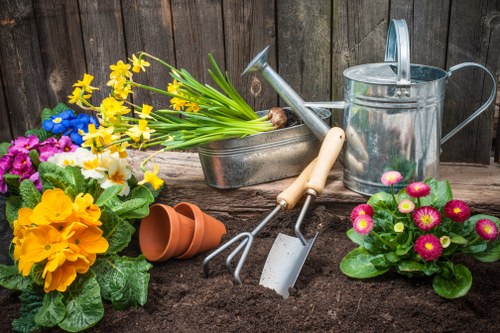 In practical terms, that means garden waste may be separated into categories such as compostable green waste, woody material for chipping, and mixed debris requiring specialist handling. In areas influenced by wider borough collection rules, there is often a strong emphasis on separating dry recyclables, organic waste, and residual rubbish. Gardeners Limehouse reflects that same logic in its own working methods, helping keep recyclable material cleaner and easier to process. Even small actions, such as keeping soil free from contamination and removing plastic ties from cuttings, can improve recovery outcomes.
Partnerships are another important part of the sustainability strategy. Gardeners Limehouse supports local charity partnerships by directing suitable reusable items toward organisations that can give them a second life. Pots, plant containers, usable timber, tools, decorative garden pieces, and other salvageable materials may be passed on where appropriate. This reduces waste and benefits community groups that help residents, schools, and shared spaces. Such cooperation also reflects a broader circular-economy mindset, where items remain useful for longer instead of being discarded too early.
The company also works with community-minded outlets that support reuse, repair, and donation. By linking garden operations with charity-led reuse channels, Gardeners Limehouse helps ensure that not every removal task becomes a disposal task. It is a simple but effective way of aligning everyday gardening with responsible environmental practice. In many local boroughs, this emphasis on reuse sits comfortably alongside household recycling drives and green-waste collection schemes, reinforcing the message that waste reduction is everyone’s responsibility.
 Transport is another area where sustainability matters. Gardeners Limehouse uses low-carbon vans as part of its effort to reduce emissions linked to travel between jobs, transfer stations, and processing sites. Modern fuel-efficient vehicles, carefully planned routes, and fewer unnecessary journeys all help lower the carbon footprint of the service. For a busy urban area such as Limehouse, where traffic and stop-start driving can increase emissions, the use of cleaner vans is a meaningful improvement.
Route planning is matched with load management so that vehicles carry as much recyclable material as possible on each trip. That reduces the number of journeys needed and supports the overall recycling percentage target. In practice, this means gathering material in a way that avoids wasted mileage and makes efficient use of space in the van. The result is a service that is not only organised, but also more considerate of air quality and local congestion.
Gardeners Limehouse also pays attention to the broader environmental impact of routine tasks. Equipment is maintained to run efficiently, and where possible, tasks are scheduled to cut down on repeated visits. This is particularly relevant in boroughs that place a strong focus on waste separation and local environmental standards. When material arrives at the transfer stage already sorted, the whole chain works better, from collection through to final recovery.
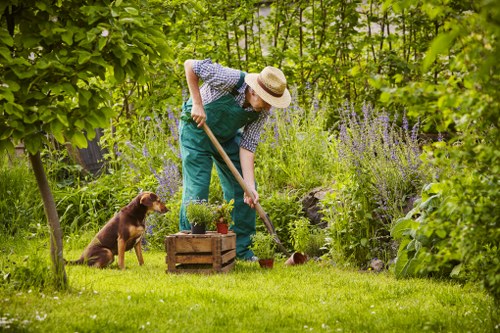 Sustainability is not limited to recycling alone. It also includes how services are delivered day to day, from choosing reusable sacks and containers to avoiding contamination between waste streams. Gardeners Limehouse encourages careful handling of organic material so that compostable waste remains suitable for processing. Grass cuttings, hedge trimmings, and prunings can often be turned into useful secondary products when collected cleanly, making them a valuable part of the recycling picture.
Gardeners Limehouse understands that different neighbourhoods may have different collection expectations, especially where boroughs use separate bins or distinct schedules for green waste, dry recycling, and general rubbish. By working in a way that complements these systems, the service helps residents keep materials in the right stream. This kind of local awareness is important in East London, where mixed-use streets, communal gardens, and compact properties can all create unique waste-handling challenges.
 The overall aim is to make garden care cleaner, smarter, and more sustainable without adding unnecessary complexity for the customer. Through a combination of recycling targets, local transfer station use, charity links, and low-carbon vans, Gardeners Limehouse supports a more responsible approach to outdoor maintenance. Small decisions taken consistently can have a large cumulative impact, especially in a busy urban setting where every reduced load and every reused item contributes to better environmental performance.
Our Sustainability Commitment
Gardeners Limehouse continues to refine its recycling methods and environmental practices as local standards and available recovery routes improve. By keeping the focus on recycling garden waste, supporting reuse through charitable partnerships, and lowering emissions from transport, the service remains aligned with modern sustainability priorities. The result is a practical, local, and environmentally aware approach that suits both private gardens and shared outdoor spaces.
Key Environmental Priorities
- Recycling percentage target: aiming to recover at least 85% of suitable waste streams.
- Local transfer stations: using nearby facilities to reduce mileage and improve processing efficiency.
- Charity partnerships: donating suitable reusable items to support community reuse.
- Low-carbon vans: reducing transport emissions through cleaner vehicles and smarter routing.
- Waste separation: supporting borough-style sorting of organic, recyclable, and residual materials.
Gardeners Limehouse remains focused on practical sustainability, helping ensure that garden services contribute positively to the wider local environment.