Health and Safety Policy for Gardeners Limehouse
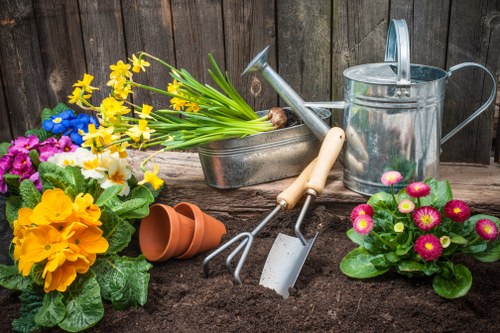 This Health and Safety Policy sets out the standards and responsibilities that guide our gardening work, helping ensure every project is carried out with care, consistency, and respect for people, property, and the environment. It applies to all routine and specialist tasks, from planting and pruning to lawn care, hedge shaping, waste handling, and outdoor maintenance. Our approach to gardening health and safety is built around prevention, good communication, and practical control measures that reduce risk before work begins.
We recognise that working outdoors brings a variety of hazards, including manual handling strain, uneven surfaces, sharp tools, powered equipment, weather exposure, and contact with plants or materials that may irritate the skin. To manage these risks, we promote safe planning, suitable protective equipment, and careful supervision where needed. Every gardener is expected to act responsibly, follow agreed procedures, and stop work if conditions become unsafe. This helps maintain a professional standard across all garden maintenance activities.
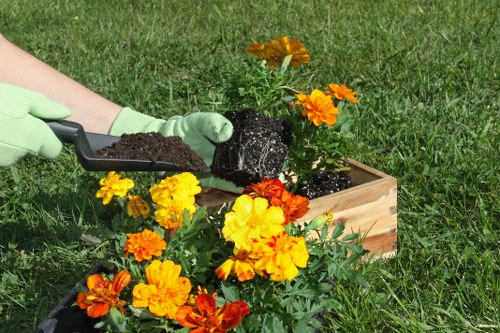 Risk assessment is an essential part of our safety culture. Before work starts, the site, task, and tools must be reviewed to identify likely hazards and determine sensible controls. This includes checking access routes, storage areas, ground stability, overhead obstacles, and the condition of equipment. Where appropriate, work is adapted to the weather, the size of the job, and the needs of the location. By treating each assignment as unique, we support safer outcomes for everyone involved in professional gardening.
Core Safety Responsibilities
All team members share responsibility for maintaining a safe workplace. Managers and supervisors must ensure that plant, tools, and working methods are suitable for the task and that workers are given clear instructions. Gardeners must use equipment correctly, keep work areas tidy, and report defects, incidents, or near misses without delay. This shared responsibility strengthens our safety policy for gardeners and reduces the chance of avoidable injury or damage.
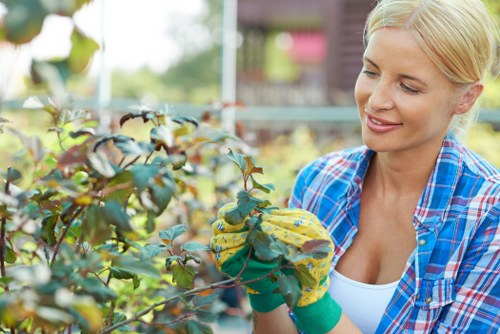
Personal protective equipment is provided or specified where needed, and it must be worn correctly. Depending on the task, this may include gloves, sturdy footwear, eye protection, hearing protection, or weather-appropriate clothing. PPE is not a replacement for safe methods, but it is an important final layer of control. Proper use of protective gear supports safer outdoor landscaping work and helps workers stay focused on the task.
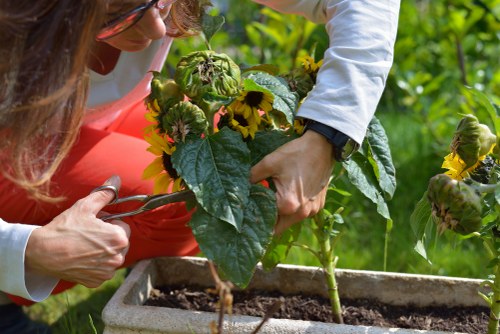
 Tools and machinery must be inspected before use, maintained regularly, and stored securely after work. Faulty items must not be used until repaired or replaced. Cutting tools, powered devices, ladders, and lifting equipment require particular care because improper use can cause serious injury. Safe operating procedures are always followed, and only trained individuals should use equipment that requires specific competence. This disciplined approach is central to our garden safety standards.
Working Practices and Hazard Control
Manual handling is managed by planning lifts carefully, splitting heavy loads where possible, and using assistance or mechanical aids when required. Repetitive movement, awkward postures, and overreaching are also considered when organising tasks such as digging, weeding, trimming, and transporting materials. Good job design helps reduce strain and keeps work sustainable across the season. These controls are especially important in landscape and garden services where physical demands can vary widely.
Environmental and Weather Considerations
Outdoor conditions can change quickly, so work is adjusted to suit heat, cold, rain, wind, ice, or low visibility. Hydration, rest breaks, and appropriate clothing are encouraged in warmer or colder periods, while slippery or unstable surfaces are assessed before access is permitted. If weather creates an unacceptable risk, work may be paused or rescheduled. This careful judgement protects staff and supports reliable garden care operations.
We also manage risks linked to chemicals, biohazards, and plant materials. Any fertilisers, treatments, or cleaning substances must be used according to instructions and stored safely away from children, animals, and food. Skin contact with irritant plants, thorns, mould, and decaying matter should be avoided where possible, and hands must be washed after exposure. Clear labeling and sensible handling support the wider goals of our maintenance and gardening policy.
Incident Reporting and Continuous Improvement
 Accidents, near misses, property damage, and unsafe conditions must be reported promptly so they can be reviewed and addressed. Recording incidents helps identify trends, strengthen controls, and improve future planning. Where an incident occurs, immediate first aid and emergency action take priority, followed by documentation and review. This process reinforces a culture of accountability across all gardeners’ safety procedures.
Training and supervision are ongoing parts of this policy. New workers receive instruction relevant to their duties, while experienced team members are reminded of key risks and safe working practices. Refresher training may be provided when new equipment, methods, or hazards are introduced. By encouraging competence and awareness, we maintain high standards in landscape gardening safety.
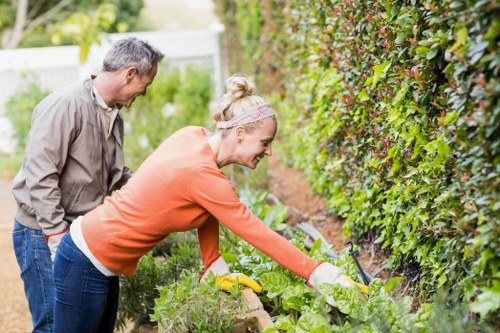 This policy is reviewed regularly to ensure it remains effective, practical, and aligned with the work we carry out. Updates may be made following incidents, operational changes, or the introduction of new equipment and procedures. Everyone is expected to support the policy in daily practice, helping create a safe, well-managed, and professional environment for all gardening tasks.