Limehouse garden access issues tips for gardeners
If you garden in Limehouse, you already know the problem is not always the planting itself. Sometimes the real headache is getting to the planting. Narrow side returns, shared entrances, awkward steps, damp paving, wheelie bins in the way, and that one gate that always sticks just when you've got a full watering can in your hands - it all adds up. This guide to Limehouse garden access issues tips for gardeners is here to help you make the garden easier to reach, safer to work in, and far less frustrating day to day.
Whether you're a homeowner trying to keep a small urban plot under control or a professional gardener moving tools and materials through a tight terrace, the principles are the same: plan access first, then work with the space rather than against it. A little thought now saves a lot of awkward shuffling later. And honestly, that makes the whole job feel lighter.
Table of Contents
- Why access matters in Limehouse gardens
- How access planning works in practice
- Key benefits and practical advantages
- Who this is for and when it makes sense
- Step-by-step guidance
- Expert tips for better results
- Common mistakes to avoid
- Tools, resources and recommendations
- Law, compliance, standards, or best practice
- Options, methods, or comparison table
- Case study or real-world example
- Practical checklist
- Conclusion
- Frequently asked questions
Why Limehouse garden access issues tips for gardeners Matters
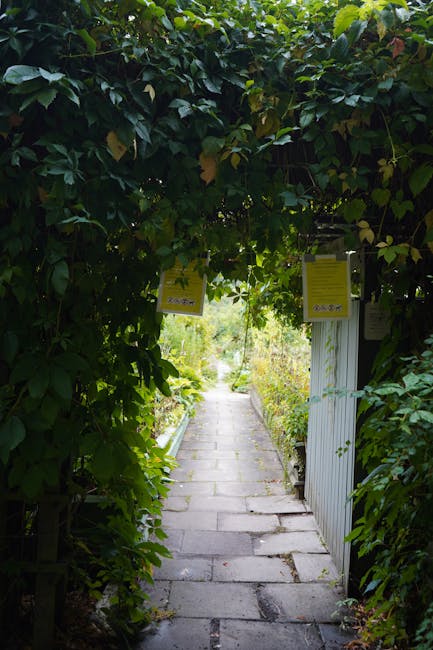
Garden access sounds like a small detail until it starts slowing everything down. In Limehouse, where gardens can be compact, shared, split-level, or tucked behind buildings, access affects nearly every gardening task. If the path is too narrow for a barrow, if the gate swings into a wall, or if the only route is over slippery paving, routine jobs become fiddly, tiring, and sometimes unsafe.
That matters for a few reasons. First, access problems can damage plants and surfaces. Dragging compost bags over beds or scraping tools along brickwork leaves marks and breaks stems. Second, bad access discourages regular maintenance. People put off pruning, weeding, or clearing because the route in is such a nuisance. Third, it can create real safety issues, especially in wet weather or when lifting heavy materials. Let's face it, nobody wants to carry a sack of mulch through a tight gap while trying not to twist an ankle.
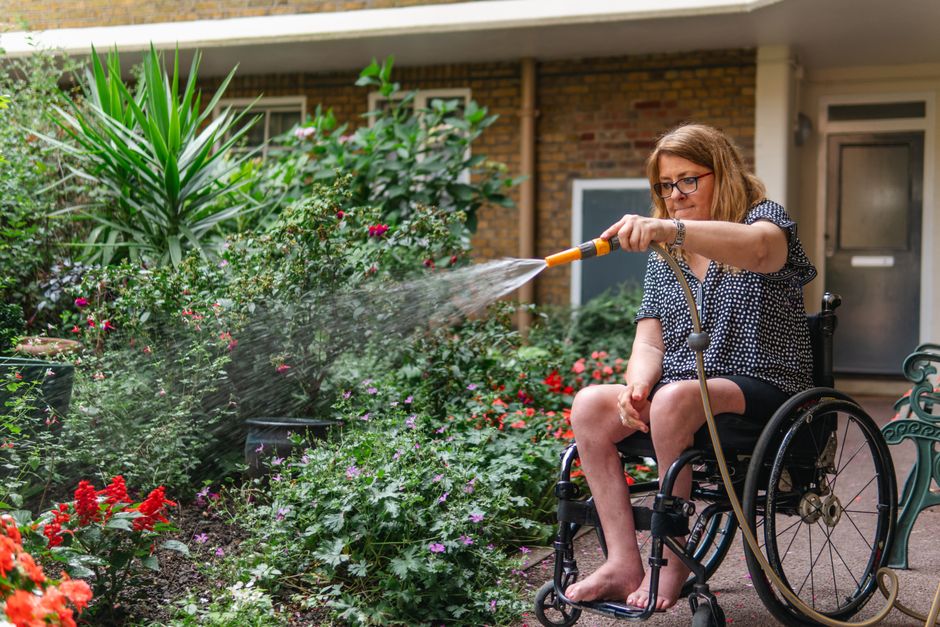
Good access also makes gardening more inclusive. If a garden is difficult to enter, the person who needs to care for it may avoid using it properly. A small adjustment - a clearer path, better lighting, a storage rethink - can make the whole space more usable. That's why access planning is not a luxury. It's a practical part of garden care.
For more on the everyday side of maintaining tricky outdoor spaces, many gardeners also find it useful to look at regular garden maintenance support and the wider gardening services available when a site needs more than a quick tidy-up.
How Limehouse garden access issues tips for gardeners Works
In plain English, access planning means mapping how people, tools, and materials move through the garden before work begins. You look at the route from street to storage, from storage to work area, and from work area back out again. Then you remove friction wherever possible.
That might mean widening a pinch point, changing where a compost bin sits, or choosing smaller equipment that fits the space better. It could mean using stepping stones instead of loose gravel if barrows sink in, or moving a water butt so it doesn't block the path to the beds. Nothing fancy. Just sensible.
There are usually three layers to think about:
- Human access: how safely and comfortably a person can move through the garden.
- Tool access: whether standard tools, bags, and equipment can get where they need to go.
- Maintenance access: whether hedges, borders, lawns, and hard landscaping can be reached for ongoing care.
In many Limehouse homes, the issue is not one big barrier but a chain of small annoyances. A narrow side passage, then a turn, then a step, then a locked bin store. Any one of those is manageable. Together, they become a proper obstacle. That is the point where a thoughtful layout change - or a staged maintenance plan - pays off.
If your access issue is caused by dense planting, overgrown boundaries, or awkward screening, a targeted hedge trimming service can often open things up without stripping the garden bare. Sometimes you only need a bit of breathing room.
Key Benefits and Practical Advantages
When access is sorted, the whole garden behaves better. You spend less time wrestling with logistics and more time actually gardening. It sounds obvious, but the difference is noticeable the first time you carry tools through a clear route instead of sidestepping a cluttered one.
- Safer movement: fewer trips, slips, and strained lifts.
- Faster jobs: pruning, feeding, and clearing take less time when the route is simple.
- Less damage: plants, paving, fencing, and borders stay in better condition.
- Better storage: tools and materials can be placed where they are genuinely useful.
- Easier upkeep: regular maintenance becomes realistic instead of something you keep postponing.
- More enjoyment: the garden feels like a place to use, not just a place to navigate.
There's also a practical money angle. Better access can reduce the need for repeated remedial work. If a gardener can get in and out efficiently, jobs are cleaner and often quicker to complete. On a cramped site, that matters. A lot.
For projects that involve more than simple tidying, it can help to understand pricing and scope early. A clear conversation about access, labour, and any special handling needs is often the difference between a smooth visit and a messy one. You can explore pricing and quotes alongside who the team is and how they work before you commit to a bigger job.
Who This Is For and When It Makes Sense
These tips are for anyone dealing with a garden that is not straightforward to reach. That includes tiny rear yards, shared access alleys, maisonette gardens, basement patios, terraced houses with side passages, and courtyards where every square metre counts.
You'll find this especially useful if you are:
- a homeowner who struggles to keep up with maintenance because access is awkward;
- a landlord or property manager responsible for keeping the space tidy and safe;
- a new gardener still working out how to organise a small plot;
- a professional gardener planning a visit to a site with tight entry points;
- someone with mobility concerns who needs more comfortable garden movement;
- a family trying to balance storage, play space, and planting in a compact layout.
It also makes sense if you're planning a bigger change. New fencing, decking, landscaping, or even a layout rethink can either solve access issues or accidentally make them worse. That's why it is worth checking the route before you start buying materials. A very pretty design that no one can reach? Not ideal. Not even a bit.
If the garden also needs structural work - a new boundary, a better side return, or a clearer division between areas - the relevant pages on fencing, decking services, and landscaping can be useful starting points.
Step-by-Step Guidance
Here's a practical way to tackle access issues without overcomplicating things.
- Walk the route as if you were carrying something awkward. A watering can, a bag of compost, or a full trug is enough to expose the problem quickly.
- Measure pinch points. Check gate widths, passage widths, step heights, and turning space. Even rough measurements are helpful.
- Identify what blocks movement. Common culprits include bins, bikes, pot stacks, loose hoses, low branches, and garden furniture that has slowly migrated into the path.
- Separate permanent barriers from temporary clutter. Temporary clutter is the easiest win, so start there. You'd be surprised how much space appears once one or two things move.
- Decide whether the surface itself is the issue. Some routes look fine until it rains. Mud, algae, moss, and uneven paving can turn a simple walk into a slip hazard.
- Choose the smallest effective fix. Sometimes you need a rearrangement, not a rebuild. Other times, a narrow bench, a wall shelf, or a slimmer storage solution is enough.
- Plan maintenance around access. If a hedge blocks the route every six weeks, schedule trimming before it becomes a problem again.
- Review after one season. Summer and winter behave differently. A route that feels fine in July may become awkward in November with wet leaves underfoot.
A small example: if your compost bin is near the only access path, every visit becomes a squeeze. Shift it half a metre and suddenly the route feels calmer. Nothing dramatic. Just easier. And easier is the goal here.
Expert Tips for Better Results
Good access design is rarely about one big fix. It's about a string of sensible ones. These are the details that tend to make the biggest difference.
1. Keep the working route clear, not just the decorative route
People often tidy the visible parts of a garden and ignore the route used to carry tools. That's backwards. The practical route deserves priority, because that is where strain and damage happen.
2. Use vertical space to reduce floor congestion
Wall-mounted storage, slim shelves, and raised planters can free up precious ground area. If you want ideas that make tight plots feel more workable, the article on innovative vertical gardening ideas is well worth a look.
3. Choose plants that do not fight the layout
Overly vigorous planting can narrow a route faster than people expect. Climbers, self-seeders, and shrubs near passages need regular attention. For shade-heavy corners or awkward boundary spaces, you might also draw inspiration from evergreen climbers for shade.
4. Don't ignore winter access
In winter, mud, wet paving, and low light make access issues more obvious. A path that is only "slightly annoying" in summer can become a genuine problem in colder months. The practical advice in keeping garden plants safe in winter pairs well with access planning, because it helps you avoid rushing through the garden when conditions are poor.
5. Make storage decisions based on what you use most often
If a tool lives at the back of a shed but gets used weekly, it probably belongs nearer the front. Simple as that. Gardening works much better when the layout matches the rhythm of the work.
6. Protect boundaries while improving access
If you're opening up a route, don't forget privacy and shelter. A better passage should not mean a fully exposed garden. Smart screening, shrubs, or carefully trimmed hedging can keep the space usable and private. For that balance, the piece on privacy-boosting hedges is a useful companion read.
Common Mistakes to Avoid
Access problems usually get worse when people assume the fix is obvious. It often isn't. A few common missteps are worth avoiding.
- Ignoring the delivery route. It is one thing to walk into the garden; it is another to get in a pallet, bagged soil, or heavy equipment.
- Blocking access with "temporary" items. Pots, bins, children's toys, and furniture have a habit of becoming semi-permanent.
- Choosing surfaces that look good but are awkward underfoot. Some finishes are fine in dry weather and a nuisance when damp.
- Overplanting near entrances. It feels lush at first, then becomes a squeeze point.
- Forgetting maintenance access behind the design. A beautiful border still needs deadheading, weeding, and pruning.
- Trying to solve everything at once. That usually leads to wasted effort and unnecessary spend.
One of the sneakiest mistakes? Focusing only on width and forgetting turning space. A route can be wide enough on paper and still feel impossible if there's nowhere to pivot with a bucket or barrow. This is where a bit of real-world testing beats guesswork every time.
Tools, Resources and Recommendations
You do not need a van full of specialist kit to improve access. A few practical tools, used well, make a big difference.
- Measuring tape: for gates, passages, steps, and turning space.
- Notepad or phone notes: to map the problem areas as you move through the garden.
- Secateurs and loppers: for clearing encroaching growth along routes.
- Pressure washer or stiff brush: useful for slippery paving, if the surface allows it.
- Wheelbarrow or garden trolley: choose one that suits the width and surface of the route.
- Storage hooks and shelving: for lifting tools off the floor and out of the way.
- Good lighting: especially for side passages and steps that feel darker by late afternoon.
If your access issue is tied to an overgrown or neglected plot, it may help to combine route-clearing with a broader reset. The guide on revitalising a neglected green space is handy for that kind of job.
For gardeners who prefer lower-effort routines after the access work is done, low-maintenance garden ideas and container gardening can help keep future upkeep more manageable.
Law, Compliance, Standards, or Best Practice
Access changes do not usually need to be overcomplicated, but they should be thoughtful and safe. In the UK, it is sensible to consider trip hazards, slip resistance, clear routes, and sensible handling of heavy materials. If a garden is shared, rented, or linked to a managed property, you should also think about responsibility for maintenance, safe use of access paths, and any agreed boundaries between neighbours.
Best practice is straightforward:
- keep routes free from obvious obstructions;
- make steps and changes in level easy to see;
- avoid creating tight pinch points with storage or planting;
- use stable surfaces where repeated walking or carrying is expected;
- check that any changes do not interfere with fire exits, shared entries, or neighbour access;
- take extra care with wet mossy surfaces, loose mats, or uneven slabs.
If you are unsure whether a proposed change is sensible, it is wise to ask for a site visit or a professional opinion before starting work. That is especially true where access routes are shared or where a change might affect fencing, gates, or boundaries. You can also review health and safety guidance, insurance and safety information, and the site's terms and conditions if you are arranging professional work.
And yes, if something is slippery and awkward in the rain, it is slippery and awkward in the rain. No amount of optimism changes that.
Options, Methods, or Comparison Table
Different access problems call for different fixes. Here is a quick comparison to help you think clearly.
| Method | Best for | Strengths | Trade-offs |
|---|---|---|---|
| Reorganising storage | Cluttered routes and tight patios | Quick, inexpensive, immediate impact | Does not solve structural issues |
| Pruning and boundary trimming | Overgrown paths and narrow side access | Restores width without major building work | Needs ongoing upkeep |
| Surface cleaning and repair | Slippery, uneven, or dirty walkways | Improves safety and appearance | May need repeat maintenance |
| Layout redesign | Persistent access bottlenecks | Can solve root problems properly | Higher cost and planning effort |
| Vertical or container planting | Very small gardens | Reduces floor congestion and keeps routes open | May need more frequent watering or feeding |
If you need a lighter-touch solution, start with pruning, storage changes, and surface cleaning. If the access problem is built into the garden's shape, then a design rethink is usually the better long-term answer. Truth be told, the cheapest fix is not always the cheapest in the end.
Case Study or Real-World Example
Picture a typical Limehouse terrace garden: a narrow side return, a small rear yard, and a gate that opens into a bit of a blind corner. The owner had been keeping compost bags beside the path, a hose snaked across the paving, and the rear hedge had crept inward over summer. Every routine task felt like a minor obstacle course.
The fix was not dramatic. The bags moved into a more sheltered storage spot. The hose went onto a wall-mounted reel. The hedge was trimmed back enough to restore the route without stripping privacy. A few uneven slabs were flagged for later repair, and the path was cleaned so it stopped feeling slick after rain. That was it, really. No grand rebuild. Just practical decisions stacked one on top of another.
After the changes, the garden was easier to water, easier to weed, and easier to enjoy. The owner stopped avoiding the back corner because getting there no longer felt like a chore. That is often the hidden win with access work: the garden becomes used again, not just admired from the door.
If the project also needs help with hard surfaces, tidy edges, or a reset after neglect, a combined approach using patio cleaning and lawn care can make the whole space feel much more navigable.
Practical Checklist
Use this checklist before your next gardening session or site visit.
- Is the main route into the garden clear?
- Can you carry a watering can, trug, or bag of compost without squeezing past obstacles?
- Are gates easy to open, close, and secure?
- Do any steps, slopes, or slabs feel unsafe when wet?
- Is there enough turning space for tools or a trolley?
- Have hedges, shrubs, or climbers narrowed the access path?
- Are storage items sitting in the route because they have nowhere else to go?
- Can you reach the key maintenance areas without stepping through beds?
- Would simple cleaning improve grip or visibility?
- Have you planned for winter conditions, not just summer ones?
Quick takeaway: if a route is awkward for you, it will probably be awkward for regular maintenance too. Solve for the routine job, not the one-off best-case scenario.
Conclusion
Garden access issues in Limehouse are rarely solved by one clever trick. More often, they improve through a steady series of small, sensible choices: clearer routes, smarter storage, better trimming, safer surfaces, and layouts that respect how the garden is actually used. That is the heart of Limehouse garden access issues tips for gardeners - make the space workable first, then make it beautiful.
Once access is easier, everything else gets easier too. You notice the garden more, you delay fewer jobs, and the whole place feels less demanding. That little shift can turn a frustrating space into one you genuinely look forward to working in. And that, to be fair, is what good gardening should feel like.
If you're planning changes, need help opening up a tight route, or simply want a practical view on what will work best in your space, take the next step with confidence. Get a free quote today and see how much you can save.
In a garden, as in life, a clear path changes everything.
Frequently Asked Questions
What are the most common access problems in Limehouse gardens?
The most common issues are narrow side passages, awkward gates, steps, cluttered storage, slippery paving, and overgrown planting that steals usable space. In compact London gardens, those small barriers often add up.
How do I make a small garden easier to work in?
Start by clearing the route you use most often, moving storage out of the way, and choosing compact tools or vertical storage. Then look at plants and surfaces that are making movement harder than it should be.
Should I trim plants before fixing the layout?
Usually, yes. If hedges, climbers, or shrubs are blocking access, a careful trim gives you breathing room straight away and helps you judge whether you need a bigger change later.
What is the safest way to carry tools through a tight passage?
Use smaller loads, keep one hand free, and avoid overfilling bags or trugs. If possible, make a clear, flat route and store frequently used tools nearer the entry point.
Can vertical gardening help with access issues?
Yes. Vertical growing shifts planting upward and frees floor space, which is especially helpful in courtyards, patios, and narrow yards. It also tends to make maintenance feel more organised.
How often should access routes be checked?
At least seasonally, and more often if the garden is fast-growing or heavily used. Summer growth, autumn leaf fall, and winter damp can all change how easy a route feels.
Is slippery paving really that big a problem?
It can be, especially on narrow routes where there is little room to recover balance. Moss, algae, wet leaves, and poor lighting all make access less safe than it first appears.
Do I need professional help for access issues?
Not always. Some problems are solved with pruning, storage changes, or cleaning. But if the layout is tight, uneven, or linked to fencing, decking, or a bigger redesign, professional advice can save time and mistakes.
What should I ask for when requesting a quote?
Explain the access route, any narrow points, steps, or shared entries, and what you want done in the garden. Clear detail helps the work be priced more accurately and avoids surprises on the day.
Can access improvements affect privacy?
They can, which is why it helps to think about screening as well as clearance. A better route does not have to mean a more exposed garden, and careful hedge or boundary management can keep both goals in balance.
What if my garden access problem is really a storage problem?
That is very common. If tools, bins, pots, or bikes are crowding the route, the fix may be more about storage discipline than building work. Often the quickest improvement is simply giving everything a proper home.
Where can I find more help with tricky garden access?
Start with the pages on gardening services, garden maintenance, and contact the team directly if you want to talk through your garden's layout and the best next step.