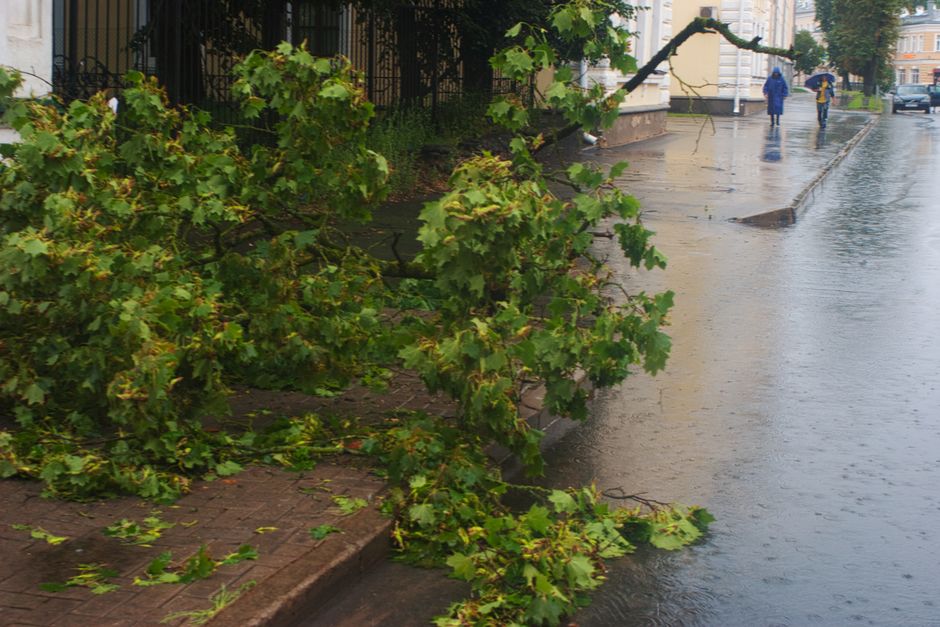
Same day gardeners Limehouse for urgent storm damage
Storms rarely leave a garden looking tidy. One minute the beds are fine, the next you are staring at snapped stems, blown-over pots, bent trellises, ripped hedges and branches resting in places they should absolutely not be resting. If you are searching for Same day gardeners Limehouse for urgent storm damage, you probably need more than routine maintenance. You need calm, practical help, quickly, and preferably before the damage gets worse.
This guide explains what same day storm-damage gardening actually involves, how the response usually works, what to do before help arrives, and how to decide whether you need garden clearance, hedge support, lawn recovery, fencing repairs, or more specialist tree work. It is written for real-life situations: wind gusts over the DLR line, soaked soil in a back garden, a fence panel hanging by one post, or a planter smashed across a path at 7am on a grey London morning. Not ideal. But manageable.
If you want broader support beyond the urgent visit, you can also explore the company's gardening services, garden maintenance, and about us pages to understand how local work is handled when the weather turns.
Table of Contents
- Why same day storm response matters
- How urgent garden damage visits work
- Key benefits and practical advantages
- Who needs this service and when it makes sense
- Step-by-step guidance for the first few hours
- Expert tips for better results
- Common mistakes to avoid
- Tools, resources and recommendations
- Law, compliance, standards and best practice
- Options, methods and comparison table
- Case study or real-world example
- Practical checklist
- Conclusion
- Frequently asked questions
Why Same day gardeners Limehouse for urgent storm damage Matters
Storm damage in a garden is not just cosmetic. It can create trip hazards, block access, damage boundaries, expose plant roots, and leave structures unstable. A broken branch leaning over a path may look minor from the back door, but in reality it can shift, fall, or drag more material down with it. Same day help matters because the first 24 hours often decide whether damage stays local or spreads.
In Limehouse, where gardens may be compact, shared, paved, elevated, or squeezed around fencing and decking, problems can stack up fast. A single toppled container can crack slabs. A partially uprooted shrub can pull on nearby planting. A loose panel can rattle in the next gust and weaken further. Truth be told, storm damage has a habit of snowballing when left until "tomorrow".
There is also the simple matter of stress. After a bad night of wind and rain, people want to know what is safe, what can wait, and what needs attention now. A same day gardener brings that clarity. They can remove obvious hazards, stabilise the garden, and make a sensible plan instead of forcing you to guess while the weather is still unsettled.
Expert summary: The real value of urgent storm-damage gardening is not only speed. It is damage control, safety, and the prevention of a small problem becoming a much bigger one by the end of the week.
For households already thinking about wider resilience, strategies to shield your garden from harsh weather is a useful companion read, especially if you want to reduce repeat damage next time.
How Same day gardeners Limehouse for urgent storm damage Works
A same day visit usually starts with a quick assessment. You explain what happened, what looks dangerous, and whether access is blocked. The aim is not to redesign the garden on the spot. It is to identify immediate risks and decide what can be safely dealt with in one visit.
In practical terms, the process often looks like this:
- You make contact and describe the damage clearly.
- The gardener asks a few focused questions about access, hazards, and urgency.
- A same day time window is arranged if capacity allows.
- On arrival, the work area is assessed for safety before anything is cut, lifted or moved.
- Immediate hazards are removed or made secure.
- Any follow-up work is explained plainly, with no dramatic sales pitch. That matters.
The exact scope depends on the site. A small town garden might need branch clearance, pot recovery, hedge reshaping, and a quick tidy. A more heavily hit property may need help from a tree specialist for unsafe limbs, followed by general garden clearance. If the issue is mainly broken boundary sections, you may also need support from the fencing side rather than treating it as a planting-only job.
It is also common for urgent visits to be part solution, part triage. That is not a bad thing. In fact, it is usually the safest way to work after wind damage, because wet ground, hidden cracks and unstable timber can make rushed work risky. A good team will know when to slow down a little, even if you want everything fixed immediately.
Key Benefits and Practical Advantages
The main benefit is obvious: faster recovery. But the real advantages go a bit deeper than speed alone.
- Safer access: paths, gates, side returns and patios can be cleared so you are not stepping around debris.
- Less secondary damage: unstable branches, loose trellis panels and broken pots can be dealt with before another gust moves them.
- Better plant survival: damaged shrubs, wind-burned beds and exposed roots can be stabilised and watered correctly.
- Cleaner finish: a storm-hit garden is often full of leaves, bark, soil and grit; removing that mess makes the space usable again.
- Practical advice on the spot: you get a short list of what needs monitoring over the next few days.
There is a psychological benefit too, if we are being honest. A battered garden can make the whole property feel unsettled. Once the obvious damage is cleared, the place starts to feel like home again. It is a small thing, perhaps, but after a hard night of wind and rain, small things count.
If the storm has also created a lot of damaged green waste, the visit can be a good moment to ask about organic waste to garden gold through composting, though of course only healthy material should ever be composted. Diseased or contaminated debris needs different handling.
Who This Is For and When It Makes Sense
This kind of urgent service is for anyone who needs a garden made safe or usable quickly after high winds, heavy rain, or a sudden overnight storm. Homeowners, landlords, tenants with outdoor responsibility, and property managers all fall into that group.
It makes the most sense when you have one or more of these issues:
- fallen branches or limbs
- a hedge or shrub collapsed across access space
- uprooted pots, containers, or planters
- damaged fencing or loose panels
- splintered decking edges or slippery debris
- muddy run-off across paths and seating areas
- lawn scarring from waterlogging or debris impact
It is also sensible if you have children, pets, or elderly relatives using the space. A broken slab edge or a twisted cane is easy to overlook when you are tired, but it can become a real nuisance. If your garden doubles as a family space, the need for quick clearance rises sharply. To be fair, nobody wants to discover a rusted spike at ankle height after the fact.
For people with a larger garden, urgent storm help may be paired later with more routine support such as lawn care, lawn mowing, or seasonal tidy-up work once the worst is over.
Step-by-Step Guidance
If you are dealing with storm damage right now, the first hour or two matter most. Here is a practical way to handle it without making the situation worse.
- Look for immediate danger. Check for hanging branches, leaning fence posts, broken glass, exposed nails, or anything that could fall.
- Keep children and pets away. This sounds obvious, but in a busy house it can be overlooked. Block off the area until it is properly assessed.
- Take a few photos. If you may need to discuss the damage with an insurer or landlord later, photograph the garden before moving too much debris.
- Do not start heavy lifting if it looks unstable. Wet timber, soaked soil and wind-twisted stems can shift in odd ways.
- Clear only the obvious low-risk items. Light branches, loose leaves and toppled pots are usually fine to move if they are safe to handle.
- Book urgent help. Explain exactly what happened, what is damaged, and whether any area is inaccessible.
- Agree the priority order on arrival. Safe access first, structural risk second, plant and lawn recovery third. That order usually works well.
A small note from experience: when people are flustered, they often focus on the most visible damage rather than the most dangerous. A smashed planter looks dramatic. A cracked fence post leaning inward may actually be the bigger issue. The eye can be fooled after a storm.
Once the immediate danger is handled, ask about any follow-up measures that will help the garden recover. Sometimes that means reshaping a hedge after wind scorch. Sometimes it means replacing a support, re-tying climbers, or waiting a few dry days before heavier work begins. If you have ivy or climbers that were ripped loose, guidance on removing ivy properly can be useful later, but only once the urgent stabilisation is done.
Expert Tips for Better Results
The best storm-response work is not flashy. It is measured. Quiet, even. That is usually a good sign.
Focus on safety before appearance
A garden can be made neat later. A broken limb hanging above a border cannot wait for a perfect tidy-up. Prioritise what could fall, trip, or worsen in the next gust.
Leave wet roots alone where possible
If a shrub has lifted in waterlogged soil, aggressive pulling can tear roots further. A steadier approach is usually better: support, straighten, firm lightly if appropriate, and let the soil settle.
Use temporary support where permanent repair is not yet sensible
After a storm, it is sometimes wiser to brace or tie something back than to force a full repair immediately. The structure may need drying out first. Annoying? Yes. Sensible? Also yes.
Think in zones
Divide the garden mentally into access, hazards, plants, and structures. This keeps the job organised and stops the cleanup from turning into a random wander with secateurs.
Ask what should be monitored over 48 hours
A good urgent visit should end with a simple watch list. Maybe a fence panel is stable for now, but a crack needs checking after the ground dries. Maybe a hedge is bruised and will need a light trim later. Good advice is specific, not vague.
For weather-related planning beyond the emergency, the article on tackling strong winds in your backyard is worth reading. It helps you understand why some parts of a garden always take the hit first.
Common Mistakes to Avoid
Most storm follow-up mistakes are understandable. People are tired, annoyed, and keen to make the mess disappear. Still, a few habits are best avoided.
- Cutting unstable branches without checking tension points. A branch can spring or shift as soon as one section is removed.
- Dragging heavy debris across turf. That turns a tidy-up into a lawn repair job.
- Ignoring hidden damage. A fence may look upright while the post is already split below the surface.
- Working in poor light with limited visibility. It is easy to miss glass, wire, or sharp timber in the dusk.
- Overwatering already saturated soil. Storm-soaked beds need care, not more water.
- Leaving broken pieces piled in a corner for "later". Later tends to become next month.
Another classic mistake is treating all garden work as if it were equal. It is not. A lawn can wait a day or two. A loosened boundary or hanging limb usually should not. Knowing the difference is half the job.
Tools, Resources and Recommendations
Not every homeowner needs a full kit, especially for one-off storm issues. But there are a few basic things that help while you wait for same day support.
- thick gloves
- sturdy boots with grip
- pruning shears for tiny, safe cuts only
- a torch for checking shaded corners or evening damage
- black bags or a trug for loose debris
- garden ties or soft supports for minor plant stabilising
- a rake for leaves and lightweight material
For longer-term resilience, a few non-urgent resources on the site are useful. must-have tools for passionate gardeners gives you a practical overview of useful kit, while keeping garden plants safe in winter is helpful if the storm arrives during the colder months, which, let's face it, is often when the worst weather decides to turn up.
You may also find insurance and safety useful if the damage involves an accident risk or if you are trying to understand what information to record before any repairs begin.
Law, Compliance, Standards, or Best Practice
Storm-damage gardening is usually a practical trade job rather than a highly regulated one, but there are still important expectations around safety, care, and responsible work. In the UK, good practice means working cautiously around unstable structures, electrical hazards, sharp debris, and anything that could fall. It also means not pretending a quick tidy is a structural repair when it is not.
For example, if a tree or large limb looks unsafe, that may move beyond ordinary gardening and into specialist tree work. Likewise, damaged fencing may need proper replacement rather than a temporary neat-up. A conscientious gardener should be clear about the limits of the visit and flag when another type of specialist is needed.
Property owners and managers also have a general duty to keep outside areas reasonably safe for users and visitors. That is not a dramatic statement, just common-sense care. If a broken branch or loose panel creates an avoidable hazard, it should be addressed promptly. Documentation helps too: photos, notes, and a short record of what was done can all be useful later.
On the service side, it is sensible to review the company's health and safety policy, terms and conditions, and payment and security information before booking, especially if the visit is urgent and you want to be clear on what happens next.
Options, Methods, or Comparison Table
Not every storm-hit garden needs the same kind of response. Sometimes a quick clearance is enough. Sometimes you need a broader repair plan. Here is a simple comparison to help you think it through.
| Approach | Best for | What it covers | Typical outcome |
|---|---|---|---|
| Same day emergency tidy | Light to moderate debris and obvious hazards | Branch clearance, leaf removal, broken pot recovery, access clearing | Safe, usable space restored quickly |
| Urgent stabilisation visit | Loose plants, leaning supports, minor structural concerns | Temporary bracing, plant tying, hazard reduction, basic making-safe | Problems held in check until proper repair |
| Specialist tree or boundary work | Unsafe limbs, major collapse, damaged fence lines | Higher-risk cutting, removal, or replacement work | More complete restoration, often staged |
| Recovery and maintenance plan | Repeated wind exposure or broader garden decline | Pruning, lawn recovery, hedge reshaping, seasonal checks | Longer-term resilience and cleaner growth |
If you are unsure which option fits, start with the lightest safe assessment and let the site condition decide the rest. In real life, the garden tells the story pretty quickly.
Case Study or Real-World Example
A typical Limehouse storm call might go like this. Overnight wind has shifted a fence panel, scattered twigs over a small lawn, and knocked over two pots near a side return. One shrub has leaned toward a path, but the roots are still holding. The homeowner is worried about the gate area because it now feels awkward and a bit unsafe.
On arrival, the immediate priorities are obvious: remove the loose debris, secure the leaning shrub, check the fence panel for instability, and clear the access route first. The gardener may then trim shredded stems, reset a container, and explain that the fence needs a more proper repair when conditions allow. If the soil is soggy, they may avoid heavy work on the bed for that day, which is exactly the right call.
What usually surprises people is how much calmer the garden feels after the obvious hazards are gone. Not perfect. Just calmer. You can step outside without immediately scanning the ground for trouble, and that makes a bigger difference than people expect.
In some cases, the follow-up visit includes a light seasonal tune-up. For example, the customer may later choose hedge trimming in Limehouse or a more general tidy once the weather settles, because wind damage often leaves shrubs a little ragged around the edges.
Practical Checklist
Before the same day gardener arrives, run through this simple checklist.
- Identify any hanging branches, loose panels, or sharp debris
- Keep children and pets out of the affected area
- Take photos of the damage if needed for records
- Move only the lightest, safest items
- Do not stand under unstable limbs
- Note any blocked access points
- Check whether water pooling has made the ground soft or slippery
- Prepare a brief description of what happened and when
- Ask what can be made safe today and what should wait
- Keep a note of any follow-up work recommended
If you want to reduce future stress, consider whether your garden would benefit from tougher planting, better structure placement, or a simpler layout. The article on creating a low-maintenance oasis is handy for that mindset, and it can make storm recovery less painful next time round.
Get a free quote today and see how much you can save.
Conclusion
Storm damage is never welcome, but it does not have to spiral. With the right same day help, the garden can be made safe, the worst of the mess can be cleared, and the next step becomes much clearer. That is really the heart of it. Not perfection. Not a full redesign overnight. Just sound, prompt action that gets the space back under control.
If you are dealing with broken branches, loose fencing, uprooted plants, or a garden that simply looks battered and risky after bad weather, the smartest move is to act early. The sooner the hazards are dealt with, the less likely you are to face extra repairs later. And once the rain stops and the light comes back, you will be glad you did.
For straightforward local help, start by reviewing the site's pricing and quotes information, then make contact if the damage needs urgent attention. A quick, calm response now can save a lot of hassle later - and that is worth doing properly.
Frequently Asked Questions
What counts as urgent storm damage for a garden?
Urgent storm damage usually means anything that could cause injury, block access, or worsen quickly if left alone. Hanging branches, loose fence panels, broken timber, scattered glass, uprooted shrubs, and unstable garden structures all fit that description.
Can a same day gardener fix everything in one visit?
Not always. A same day visit often focuses on making the space safe and manageable first. Larger repairs, specialist tree work, or structural replacements may need a second appointment once the site has been assessed properly.
Should I clear storm debris myself before help arrives?
Only the lightest, safest debris. Avoid moving anything heavy, sharp, or unstable. If a branch is under tension or a panel looks ready to fall, leave it alone. It is better to be slightly delayed than slightly injured.
How quickly should I book after a storm?
As soon as you notice anything unsafe or likely to worsen. Same day availability depends on workload and weather conditions, but early contact gives you the best chance of getting prompt help.
Will urgent gardening visits include fence repairs?
Sometimes the issue can be made safe, but a full fence repair may sit outside a standard garden tidy. If the damage is structural, you may be advised to arrange more specific boundary work afterwards.
Is storm damage gardening suitable for rental properties?
Yes. It is often especially useful for landlords and managing agents who need access restored quickly and hazards removed. Clear communication about what is owned, what is shared, and what should be repaired helps a lot.
What should I tell the gardener when I call?
Describe the main hazards, say whether access is blocked, and mention anything unstable such as branches, fences, or decking edges. If there are pets, children, or shared access points, mention those too. It saves time later.
Does storm damage always mean tree surgery is needed?
No. A lot of storm damage is garden-level work: debris clearance, support for shrubs, hedge tidying, and making safe around the boundaries. Tree surgery is only needed when the issue involves larger or more dangerous tree material.
Can wet lawns recover after storm debris is removed?
Often, yes. Lawns can look dreadful immediately after a storm, but once debris is off and the ground dries a little, recovery may be straightforward. Avoid heavy traffic on saturated turf, though, because that makes compaction worse.
Do I need photos for insurance or records?
It is usually sensible to take photos before major cleanup begins, especially if you may need to discuss the damage later. Keep them simple and clear: wide shots, close-ups, and anything that shows the hazard in context.
What if the storm damage keeps happening in the same spot?
That may point to a weak fence line, a wind funnel, poor plant support, or an exposed corner of the garden. In that case, a stronger long-term plan may help, such as reshaping planting, improving supports, or reviewing boundary fixes.
How do I know if the work is being handled safely?
Look for sensible sequencing: hazard assessment first, unstable areas left alone until safe, clear explanations about what can and cannot be done today. If you want to check service standards in advance, the site's health and safety policy is a useful place to start.