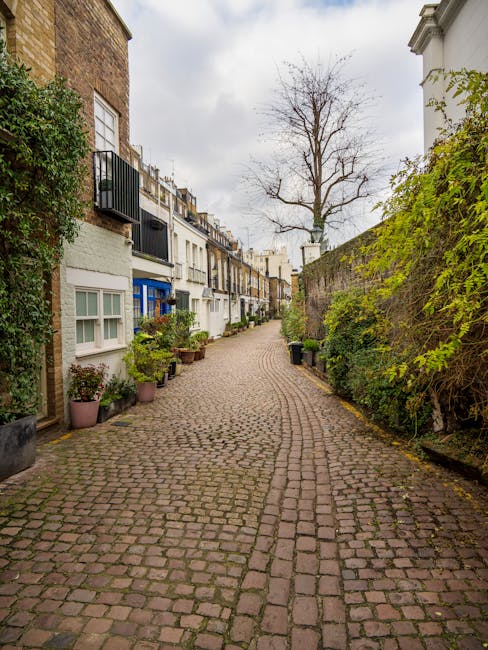
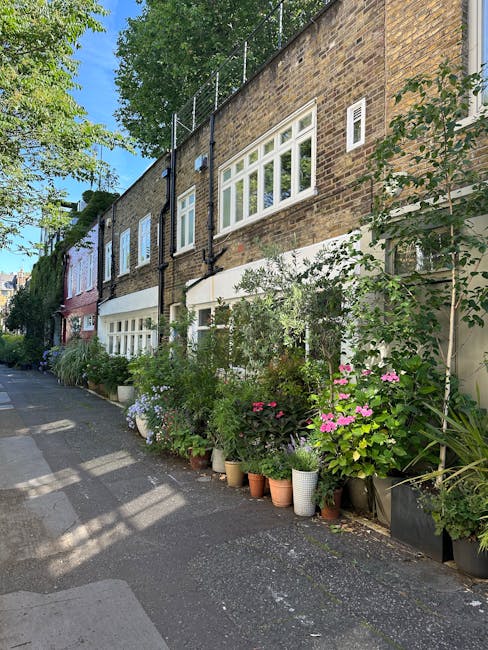
Limehouse gardeners for Narrow Street gardens E14: a practical guide to better local garden care
If you live on or near Narrow Street, you probably know the feeling: a garden can look beautiful one week, then suddenly feel cramped, shaded, windy, or just a bit tired the next. That is where Limehouse gardeners for Narrow Street gardens E14 become genuinely useful. The right local help is not just about cutting things back or mowing grass. It is about understanding the quirks of riverside weather, compact plots, shared boundaries, awkward access, and the kind of planting that still looks good in a busy East London setting.
In this guide, we will look at what local garden care actually involves, when it makes sense to bring in professionals, and how to get the best long-term results without wasting time or money. You will find practical steps, common mistakes, and a few ideas that work especially well in narrower urban gardens. To be fair, that is often the difference between a garden you merely maintain and one you actually enjoy using.
Table of Contents
- Why Limehouse gardeners for Narrow Street gardens E14 matters
- How it works in real homes and shared outdoor spaces
- Key benefits and practical advantages
- Who this is for and when it makes sense
- Step-by-step guidance for better results
- Expert tips for a healthier, easier garden
- Common mistakes to avoid
- Tools, resources and recommendations
- Law, compliance, standards and best practice
- Options and comparison table
- Case study or real-world example
- Practical checklist
- Conclusion
- Frequently asked questions
Why Limehouse gardeners for Narrow Street gardens E14 matters
Narrow Street gardens are often a world apart from the big, open suburban plot people imagine when they hear the word "garden." Space is tighter. Light can be patchy. Wind can funnel between buildings. Soil may be tired, compacted, or full of construction leftovers. And then there is the everyday reality of London life: rubbish storage, delivery access, pets, children, neighbours close by, and not enough time to do everything properly.
That is why local knowledge matters. A gardener who understands Limehouse and the E14 environment will usually approach your space very differently from someone treating it like a generic patch of turf. They will notice where the afternoon sun falls, which corners stay damp, and where privacy or screening would genuinely improve comfort. If you want ideas for vertical planting in tight spaces, the guide on innovative vertical gardening ideas is a useful companion read.
There is also a design side to this. Many Narrow Street gardens are not just for show. They need to work hard. A sitting area, a planting border, storage, a low-maintenance surface, maybe a small lawn, maybe none at all. A good local gardener helps you balance all of that without making the space feel overcrowded. That balance is the real art, honestly.
And because riverside and inner-London gardens can be exposed to harsh weather, choosing the right approach early saves a lot of stress later. You may want to read about strategies to shield your garden from harsh weather if your plot gets battered in winter or dries out in summer.
How Limehouse gardeners for Narrow Street gardens E14 works
In practical terms, the process usually starts with a site visit or a detailed discussion. A proper gardener should ask what you want from the space, not just what looks untidy. Do you need regular maintenance? A one-off rescue? Better planting? More privacy? A safer layout for children or pets? Those answers shape the work.
From there, the job typically falls into a few stages:
- Assessment: checking access, soil condition, light levels, drainage, boundary issues, and what is already growing well.
- Prioritisation: deciding what needs immediate attention, what can wait, and what should be redesigned rather than endlessly patched up.
- Maintenance or improvement work: pruning, hedge trimming, lawn care, patio cleaning, weeding, planting, mulching, or larger landscaping tasks.
- Aftercare advice: explaining what will need ongoing attention and what can be left alone for a while.
For many homes, that may include services such as garden maintenance, hedge trimming in Limehouse, lawn care, or patio cleaning. The key is that these jobs are not isolated. In a compact garden, one task often affects the rest. Trim too hard in the wrong place and you lose privacy. Skip weeding and the whole design starts to feel untidy. Leave a damp corner unmanaged and moss quietly takes over. It happens quickly.
Sometimes the best work is not dramatic at all. A garden can be transformed simply by improving structure, refreshing the soil, and choosing plants that cope with shade or exposure. For example, shaded boundary spaces often benefit from evergreen climbers, and there is a helpful article on evergreen climbers for shade if that sounds familiar.
Key benefits and practical advantages
Hiring the right local help is not only about convenience. In the right circumstances, it can make the garden easier to live with, better looking, and less expensive to maintain over time. That last point is sometimes overlooked. A well-planned garden is often cheaper to keep than a badly planned one. Funny how that works.
- Better use of small spaces: Narrow Street gardens often need layered design, vertical growing, and smarter zoning.
- More privacy: Hedges, climbers, screening plants, and careful trimming can reduce overlooking without creating a boxed-in feel. If privacy is a priority, the guide on privacy-boosting hedges is worth a look.
- Less maintenance stress: A low-maintenance layout reduces weekend chores and keeps the garden presentable for longer.
- Healthier planting: Soil conditioning, better watering routines, and the right plant selection all improve resilience.
- Safer outdoor areas: Clear paths, stable surfaces, and tidy edges matter if you use the space often.
- Improved curb appeal and property feel: Even a modest garden can make the whole home feel calmer and more welcoming.
There is a sustainability angle too. Reusing organic waste through composting and choosing climate-friendly planting can cut waste and improve soil quality. If you want to build that habit, see organic waste to garden gold and the climate benefits of green gardening.
Expert summary: the best Narrow Street gardens usually are not the fanciest ones. They are the ones that fit the site, respect the light, manage the weather, and stay manageable month after month.
Who this is for and when it makes sense
Not every garden needs a full redesign, and not every homeowner needs ongoing weekly support. Truth be told, some spaces only need a seasonal reset and a sensible maintenance plan. Others need a complete rethink because the planting is struggling, the paving is slippery, or the whole plot has become more work than enjoyment.
This kind of local gardening support makes particular sense if you are:
- a homeowner with a compact back garden that is hard to keep tidy
- a landlord wanting the outdoor area to stay presentable between tenancies
- a family needing a safer, more usable space for children
- a pet owner trying to avoid toxic plants, mud patches, or fragile borders
- someone who enjoys gardening but lacks time for the heavy lifting
- an older resident who wants the garden maintained properly without strain
- someone preparing to sell and wanting the exterior to look cared for
If you are building a first garden from scratch, the article on beginner garden tips can help you avoid early mistakes. If you want something more compact or balcony-friendly, container gardening is a smart route and often works beautifully in E14 homes.
Sometimes people wait until the garden feels unmanageable. That is understandable, but you do not need to let it get that far. A small intervention at the right time can save a lot of work later. And a lot of sighing. We all know that sigh.
Step-by-step guidance for better results
If you want a garden that suits Narrow Street living, the process is usually more successful when it is done in a clear order. Skipping straight to planting is tempting, but it often leads to rework. Here is a practical approach.
- Start with a realistic brief. Decide whether the priority is privacy, low maintenance, entertaining space, planting interest, or all of the above.
- Measure the site honestly. Small gardens need exact thinking. A shrub that seems modest in a pot can become a problem two seasons later.
- Work out the light. Observe the garden in morning, midday, and late afternoon light. This tells you more than a quick glance ever will.
- Deal with the basics first. Clear waste, remove dead growth, tackle weeds, and improve soil or drainage before you add new plants.
- Shape the structure. Decide where seating, screening, paths, lawn, or planting zones should sit.
- Choose resilient plants. Pick species that match shade, wind, and maintenance levels. Don't fight the site if you do not have to.
- Set a maintenance rhythm. Agree what happens monthly, seasonally, and after bad weather.
One useful shortcut is to think in layers: ground level, mid-level, and vertical. Ground cover can soften bare soil, shrubs or herbs can add mid-height structure, and climbers can use fencing or trellis to bring life upward. If that sounds like your kind of thing, ground cover varieties and herb gardening are both practical ways to make a small garden feel richer without clutter.
A quick note on ivy: it can look charming for a while, then become very determined. If it is already running wild, the guide on eliminating ivy may save you a weekend or two.
Expert tips for better results
Here is where the small things make a noticeable difference. These are the kinds of details that separate a garden that merely survives from one that quietly works.
- Trim for shape, not just neatness. A hedge should support the overall garden design, not just be shorter than it was before. If you want more ideas, see hedge trimming shapes and techniques.
- Use containers strategically. Pots help with flexibility, seasonal colour, and problem-solving in paved or shaded spots.
- Choose plants that forgive mistakes. In busy urban gardens, resilient choices are often better than delicate ones.
- Leave breathing space. Crowding is a common issue in small gardens. Plants need room to grow and air to circulate.
- Keep the ground simple. Too many surface materials can make a small garden feel visually messy.
- Think about wind. Narrow Street can be breezy in exposed spots. Windbreak planting and sheltered seating help a lot.
Another useful habit is working with the seasons instead of against them. Winter protection matters more than many people think, especially for potted plants and recently planted shrubs. A useful read on keeping garden plants safe in winter can help you plan ahead rather than repair damage afterwards.
If you have children, pets, or both, the design needs to be practical as well as pretty. Rounded edges, durable surfaces, and non-toxic planting choices reduce the chances of a muddy disaster or a scratched knee. Not glamorous, but very useful.
Common mistakes to avoid
Most garden problems in E14 are not caused by one dramatic mistake. They come from lots of small ones building up. A few of the most common are easy to spot once you know what to look for.
- Overplanting a small area: The garden looks full for a few months, then becomes crowded and hard to maintain.
- Ignoring access: If tools, bins, bikes, or furniture must pass through the garden, the layout needs to allow for that.
- Choosing plants for looks only: A beautiful plant that hates shade, wind, or dry soil will become a problem.
- Letting weeds establish themselves: Weeds are always easier to remove early. Always.
- Forgetting seasonal maintenance: Hedges, lawns, and climbers all behave differently across the year.
- Using too many hard surfaces: Too much paving can make the space feel harsh and reduce planting opportunity.
Some people also underestimate how quickly a neglected garden can slip. If you are dealing with an outdoor area that has been left for a while, the article on revitalizing a neglected green space is a good reminder that recovery is usually possible. It may take a bit of patience, but it is rarely hopeless.
Let's face it, the wrong shortcut often costs more than doing it properly in the first place.
Tools, resources and recommendations
You do not need a huge kit to keep a Narrow Street garden in good order, but you do need the right basics. A lot of frustration comes from trying to use poor tools for regular jobs.
| Task | Useful tool or resource | Why it helps |
|---|---|---|
| Pruning and shaping | Sharp secateurs, loppers, hedge trimmer | Makes clean cuts and reduces plant stress |
| Border cleaning | Hand fork, trowel, sturdy gloves | Helps remove weeds without damaging roots nearby |
| Small-space planting | Containers, saucers, quality compost | Gives flexibility in shaded or paved areas |
| Soil improvement | Compost, mulch, organic matter | Supports drainage, moisture retention, and root health |
| Surface care | Pressure washing or manual patio cleaning methods | Reduces slippery build-up and improves presentation |
If you are building up your own maintenance routine, you may also find must-have tools for gardeners useful. For patios and decks, the dedicated services on patio cleaning and decking services can make the outdoor space feel instantly more cared for.
For households wanting something simpler and less demanding, there are good ideas in low-maintenance garden ideas. That route is often underrated. A calm, easy garden can be far more satisfying than a high-maintenance showpiece that becomes a chore by June.
Law, compliance, standards and best practice
For most domestic gardens, this work is guided more by best practice than by heavy regulation, but there are still sensible standards to follow. If a professional gardener is working on your property, they should operate safely, respect neighbouring boundaries, and avoid damaging shared fences, walls, or surfaces.
Good practice usually includes:
- careful handling of tools and machinery
- clear communication about access, waste removal, and working hours
- safe use of ladders, cutting equipment, and lifting methods
- respect for nearby residents and shared spaces
- proper awareness of slippery paths, unstable surfaces, and overhead obstructions
It is also sensible to ask about insurance, terms, payment, and complaint handling before work begins. These things are not exciting, granted, but they matter. A trustworthy provider should be happy to explain them. You can review relevant pages such as insurance and safety, health and safety policy, terms and conditions, payment and security, and complaints procedure to understand the expected standards of service and accountability.
For accessibility, privacy, and data handling, it is also sensible to check the relevant policy pages. That may sound like overkill for a garden, but a professional business should be transparent. You can look at the privacy policy, cookie policy, and accessibility statement if you want the full picture.
Options and comparison table
Different gardens need different levels of support. Some only need a tidy-up; others need ongoing care or a more ambitious landscape refresh. Here is a straightforward comparison.
| Approach | Best for | Typical strengths | Possible downside |
|---|---|---|---|
| One-off garden tidy-up | Overgrown or neglected spaces | Fast visual improvement, clears the backlog | Needs follow-up if the garden is still actively growing |
| Regular maintenance | Busy households and rental homes | Keeps the garden under control year-round | Less dramatic than a redesign, but usually more practical |
| Targeted improvements | Privacy, shade, wind, or layout issues | Solves specific problems without full renovation | Needs a clear brief or it can drift |
| Full landscaping project | Gardens that need a complete rethink | Best for structure, flow, and long-term change | More planning, more decisions, usually more cost |
For many Narrow Street homes, the sweet spot is often a mix: a tidy-up first, then sensible maintenance, then one or two structural improvements such as screening, planting, or better patio use. If you need more than basic upkeep, a wider gardening services approach or even landscaping may be the right move.
Case study or real-world example
Here is a realistic example from the kind of situation many E14 residents recognise. A narrow rear garden starts out with good intentions: a small lawn, a fence line, a few shrubs, and a couple of pots. Over time, the lawn thins out, the fence line becomes patchy, weeds slip into the borders, and the seating area feels like it has nowhere to breathe. The space is still there, but it no longer feels easy to use.
The fix was not to start from scratch. Instead, the garden was broken into three practical zones: a simple seating area, a planted boundary for privacy, and a lighter central section with improved access. The tired lawn was reduced in size, some overgrown climbers were cut back, and the fence line was cleaned up so it looked intentional again. A few sturdy containers added softness and seasonality.
The result was not a dramatic magazine makeover. It was better than that. The garden became easier to use, easier to clean, and much calmer to look at on a wet Tuesday morning. Small space, big difference. That is the real win.
In gardens where family life is a factor, adding safer circulation space and softening edges can make a real difference too. If that is your situation, the guides on transforming your garden into a child's wonderland and creating a safe and fun kids' oasis are relevant and practical.
Practical checklist
Use this checklist before you book work or start a refresh. It keeps the job focused.
- Identify the main goal: privacy, tidiness, planting, safety, or redesign.
- Note where the garden gets sun, shade, wind, and damp.
- List any access issues, narrow gates, or awkward side returns.
- Decide whether you want a one-off visit or ongoing maintenance.
- Check whether the lawn, patio, hedge, or fence needs attention first.
- Think about pets, children, and any plants that might be unsuitable.
- Consider how much watering and pruning you are realistically willing to do.
- Ask what waste removal, trimming, or aftercare is included.
- Review trust and safety information before agreeing to work.
- Set a seasonal plan so the garden does not slip again after a few weeks.
If you want a low-stress routine, start with the essentials: weeds, borders, paths, and structural planting. Then layer in extras only if they truly improve the space. That simple order is often the difference between a busy-looking garden and a smart one.
Conclusion
Limehouse gardens on Narrow Street are rarely plain or predictable. They are close to the river, close to neighbours, and often close to the limits of space. That is exactly why thoughtful, local gardening support can make such a difference. The best outcomes usually come from understanding the site properly, choosing plants and materials that fit the way you live, and keeping the whole thing maintainable over time.
Whether you need a one-off tidy-up, regular maintenance, hedge care, lawn care, or a more complete garden rethink, the real goal is the same: a space that feels calmer, more useful, and easier to enjoy. Not perfect. Just right for your home and your pace of life.
If you are weighing up the next step, take a moment to review the service information and then speak with a local specialist who understands the realities of E14 gardens. A short conversation now can save a lot of back-and-forth later, and often it's the small details that make the biggest difference.
Get a free quote today and see how much you can save.
And if your garden has been bothering you for a while, that is okay. Most good gardens are built one sensible decision at a time.
Frequently Asked Questions
What do Limehouse gardeners for Narrow Street gardens E14 usually help with?
They commonly help with maintenance, hedge trimming, lawn care, planting, patio cleaning, weeding, seasonal tidy-ups, and small-space improvements. In Narrow Street gardens, the focus is often on making compact outdoor areas easier to manage and more pleasant to use.
Is regular garden maintenance better than occasional big tidy-ups?
Usually yes, if you want the garden to stay under control. Regular maintenance prevents problems from building up, which often saves time and effort in the long run. Big tidy-ups are useful, but they are best as a reset, not the only plan.
How do I make a narrow garden feel bigger?
Use vertical planting, simple layouts, restrained materials, and a few strong focal points rather than lots of small features. Keeping borders tidy and avoiding overcrowding helps too. Mirrors, light colours, and climbing plants can also make the space feel more open.
What are the best plants for a shaded Narrow Street garden?
Shade-tolerant plants, evergreen climbers, hardy container plants, and ground cover are usually good starting points. The key is to match the plant to the amount of light you actually have, not the amount you wish you had.
Can a gardener help with privacy as well as planting?
Yes, definitely. Screening hedges, climbers, and boundary planting can all improve privacy without making the garden feel closed in. The best results come from balancing height, density, and light.
What should I ask before hiring a gardener in E14?
Ask what is included, how waste is handled, whether they carry appropriate insurance, how pricing works, and what kind of aftercare they recommend. It is also sensible to ask how they approach access, safety, and neighbouring properties.
Do small gardens need landscaping, or just maintenance?
It depends on the condition of the space. If the layout works well, maintenance may be enough. If the garden has poor flow, awkward surfaces, or no real structure, a light landscaping intervention can make a dramatic difference.
How often should hedges be trimmed in a London garden?
That depends on the species and the growth rate, but many hedges benefit from regular trimming during the growing season. A local gardener can advise based on the hedge type, the amount of privacy you need, and the shape you want to keep.
What if my garden has become overgrown and I do not know where to start?
Start with clearing waste, removing dead growth, and dealing with obvious weeds or invasive plants. Then look at structure and long-term care. It may feel overwhelming at first, but once the first layer is cleared, the rest becomes much easier to judge.
Are patio cleaning and decking care worth it for a small garden?
Yes, especially if the surface is used often. Clean paving or decking can change the feel of a compact garden straight away. It also helps with safety, because slippery surfaces in shaded spots can become a nuisance.
How can I keep a garden low-maintenance without making it boring?
Choose a few strong structural plants, add durable ground cover, use containers for seasonal interest, and keep the layout simple. A low-maintenance garden can still be attractive. In fact, some of the best ones are the calmest.
Where can I learn more about the company's approach and policies?
You can review the information on about us, pricing and quotes, and the trust pages covering safety, payments, privacy, and terms. That is a sensible step before booking any work.